
Table of Contents
ToggleMountain View isn’t just Silicon Valley’s tech hub, it’s a homeowner’s market where 1950s ranches meet modern renovations and equity-rich properties demand smart upgrades. Whether you’re expanding a cramped kitchen, converting a garage into an ADU, or finally tackling that bathroom stuck in 1987, the stakes are high. Permits are strict, contractors are booked months out, and a misstep can cost tens of thousands. This guide walks through what Mountain View homeowners need to know before swinging a sledgehammer or signing a contract.
Key Takeaways
- Home remodeling in Mountain View delivers strong ROI, with kitchen renovations returning 60–80% of investment at resale and ADUs providing immediate rental income on equity-rich properties.
- Kitchen and bathroom renovations are the most popular home remodeling projects, typically ranging from $50,000–$150,000 for kitchens and $15,000–$40,000 for bathrooms in Mountain View.
- All structural, electrical, plumbing, and mechanical work requires permits in Mountain View, and unpermitted work can surface during resale inspections and void insurance claims.
- ADU construction costs $200–$400 per square foot with permit fees between $8,000–$15,000, and requires separate utility meters if exceeding 750 square feet.
- Budget 15–30% above national remodeling averages for Mountain View due to higher labor rates ($85–$150+ per hour) and permitting complexity; always get three detailed bids and verify contractor licenses at CSLB.ca.gov.
- Older homes often hide costly surprises like outdated wiring, code-deficient plumbing, and dry rot that emerge once walls open, so plan a 10–15% contingency for unexpected expenses.
Why Mountain View Homeowners Are Investing in Remodeling
Mountain View’s median home price hovers around $1.8–2.2 million as of early 2026, with many properties sitting on generous lots zoned for expansion. Homeowners here aren’t just fixing what’s broken, they’re leveraging equity to increase square footage, modernize dated interiors, and adapt spaces for multigenerational living or remote work.
Rising property values make renovation ROI attractive. A well-executed kitchen remodel can return 60–80% of its cost at resale in this market, and ADUs (accessory dwelling units) add immediate rental income or in-law suite functionality. With inventory tight and new construction limited by zoning, existing homes become renovation targets.
The pandemic shift to remote work didn’t reverse here. Home offices, soundproofed Zoom rooms, and backyard studios remain top requests. Aging building stock also drives projects, many homes in Mountain View were built between 1950 and 1980 and need electrical panel upgrades, window replacements, and HVAC overhauls to meet modern efficiency standards.
Finally, seismic retrofitting is gaining traction. Older homes on raised foundations often lack proper bolting or cripple wall bracing, and savvy owners bundle these upgrades with larger remodels to maximize contractor efficiency and reduce overall project timelines.
Most Popular Home Remodeling Projects in Mountain View
Kitchen and Bathroom Renovations
Kitchens and bathrooms drive the majority of Mountain View remodel budgets, and for good reason. These spaces see the most use, date the fastest, and deliver the strongest buyer appeal.
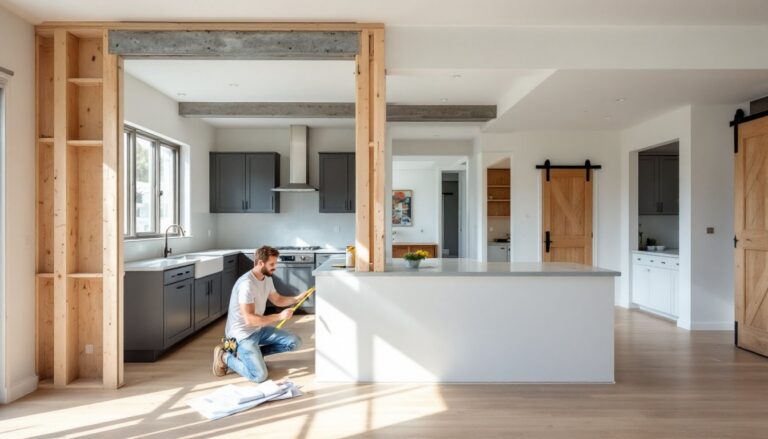
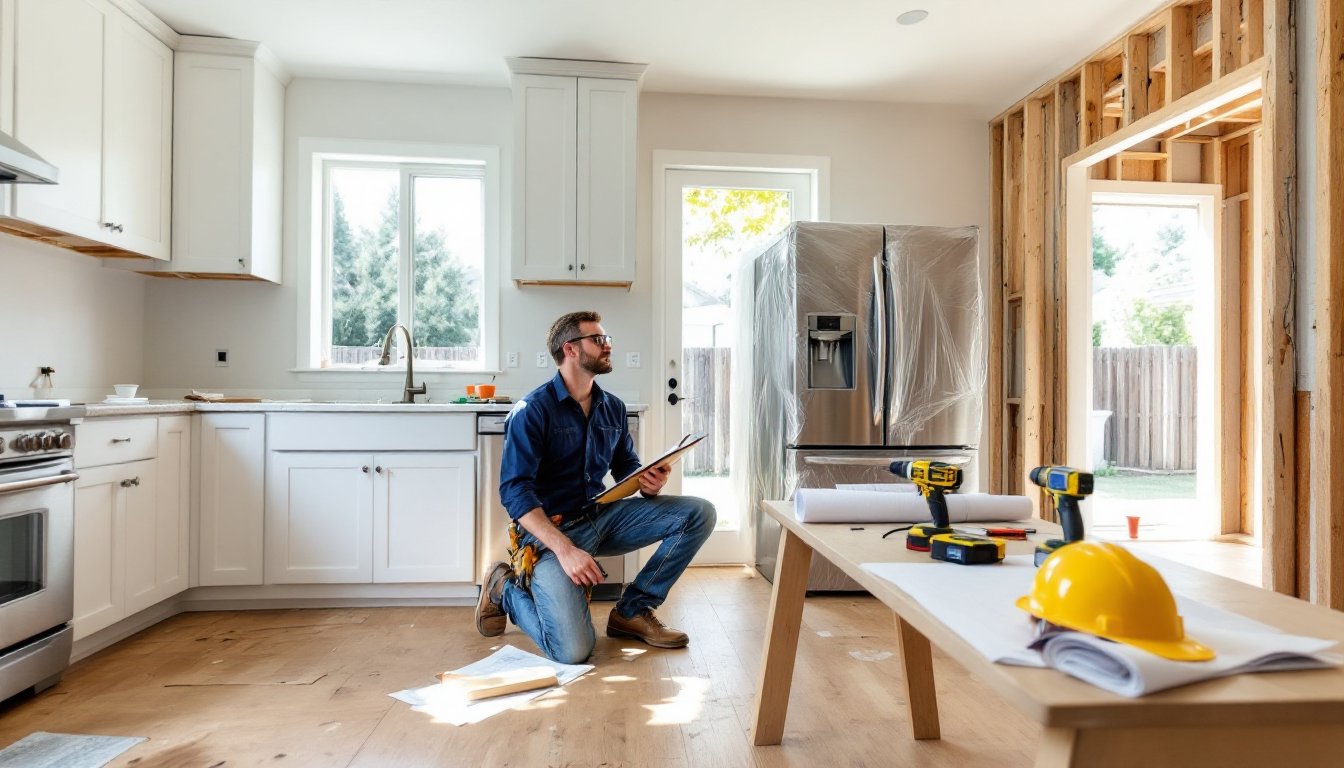
Kitchen remodels typically range from $50,000 to $150,000+ depending on scope. Mid-range projects include replacing laminate counters with quartz or granite, installing soft-close shaker cabinets, upgrading to stainless steel appliances, and adding under-cabinet LED lighting. High-end remodels involve structural changes like removing a load-bearing wall (requires an engineer’s stamp and permit), relocating plumbing for an island, or installing commercial-grade ranges with proper ventilation. Expect 15–25 square feet per linear foot of cabinetry in a standard galley or L-shaped layout.
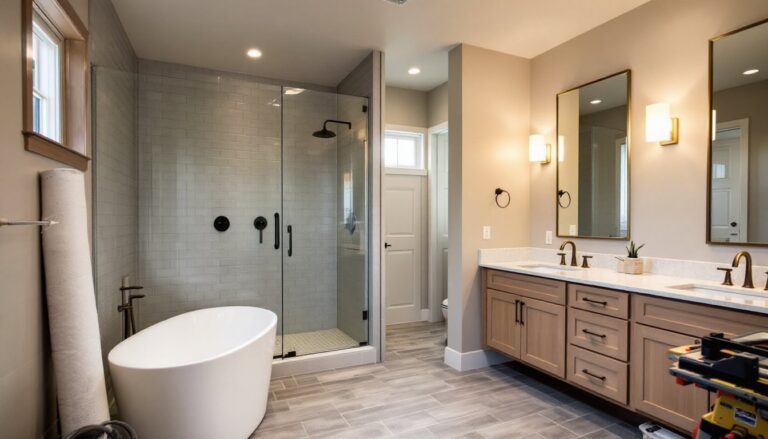
Bathrooms run $15,000–$40,000 for a full gut and rebuild of a standard 5×8-foot space. Priorities include waterproofing (RedGard or Kerdi membrane behind tile), proper slope for curbless showers (minimum 1/4 inch per foot), updated plumbing to code, and ventilation fans rated for the room’s cubic footage. Homeowners increasingly request heated floors, wall-mounted toilets, and floating vanities to modernize older layouts.
Both projects demand permits in Mountain View. Don’t skip them, the city’s building department is thorough, and unpermitted work surfaces during resale inspections.
ADU Construction and Home Additions
Accessory Dwelling Units (ADUs) exploded in popularity after California streamlined approval processes in 2020. Mountain View allows detached ADUs up to 1,200 square feet (or the size of the primary dwelling, whichever is smaller), plus attached ADUs and junior ADUs under 500 square feet.
Costs run $200–$400 per square foot for a basic detached ADU, meaning a 600-square-foot unit starts around $120,000 before site prep, utility connections, and permit fees (typically $8,000–$15,000). Prefab ADU companies offer faster timelines, some units go from foundation to occupancy in 4–6 months, but custom builds allow better integration with existing landscaping and architecture.
Utility hookups require separate meters for gas and electric if the ADU exceeds 750 square feet. Budget for trenching, panel upgrades (many older homes need a 200-amp service to support an ADU), and potentially new sewer laterals if the existing line can’t handle added load.
Traditional additions, second stories, bump-outs, or room extensions, require more invasive permitting. Setback rules, height limits (usually 30 feet for two-story structures), and lot coverage ratios all apply. Expect structural engineers, soils reports, and longer city review times. But, additions often make more sense than ADUs when the goal is expanding the main living space rather than creating a separate rental unit.
Understanding Mountain View Permits and Regulations
Mountain View’s Community Development Department oversees building permits, and they enforce California’s Title 24 energy code, local zoning ordinances, and seismic standards. Assume any structural, electrical, plumbing, or mechanical work requires a permit. Even seemingly minor changes, like moving a gas line for a range or replacing a water heater, need permits.
Design review applies to most exterior changes visible from the street. If you’re altering rooflines, adding square footage, or changing materials, expect the city’s review process to add 4–8 weeks before construction starts. Some neighborhoods have additional historic or architectural overlay zones with stricter guidelines.
Permit costs vary by project scope. A kitchen remodel might run $1,500–$3,000 in permit fees, while an ADU can hit $10,000–$15,000 once plan check, school fees, and utility connection fees are included. Plan check typically takes 2–4 weeks for straightforward projects, longer for complex ones.
Inspections happen at key milestones: foundation, framing, rough-in (electrical, plumbing, HVAC), insulation, and final. Contractors schedule these, but homeowners doing DIY work can pull owner-builder permits, just know that lenders and insurers often balk at owner-builder work, and mistakes can be expensive to correct later.
One common pitfall: setback violations. Mountain View enforces strict side and rear setback rules (often 5 feet minimum per side, but varies by zoning). Measure twice before framing an addition or ADU. Violations discovered mid-project mean tearing out work and resubmitting plans.
Budgeting for Your Mountain View Remodel
Remodeling costs in Mountain View run 15–30% higher than the national average, driven by labor rates, permitting complexity, and material delivery logistics. General contractors charge $85–$150+ per hour for labor, and licensed subs (electricians, plumbers) bill $120–$200 per hour.
Start with a realistic scope and a 10–15% contingency for surprises. Older homes hide issues, outdated wiring, plumbing that doesn’t meet code, dry rot in subfloors, that only surface once walls are open. That $40,000 bathroom can become $50,000 fast.
Material costs fluctuate, but here are ballpark ranges as of 2026:
- Lumber: Framing lumber (2x4s, 2x6s) averages $6–$10 per board depending on grade and market conditions.
- Drywall: $12–$18 per sheet for 1/2-inch 4×8 panels: add another $1.50–$2.50 per square foot for taping, mudding, and finishing.
- Flooring: Engineered hardwood runs $6–$12 per square foot (material only), luxury vinyl plank $3–$7, tile $8–$20+.
- Paint: Quality interior paint (Sherwin-Williams, Benjamin Moore) covers 350–400 square feet per gallon and costs $40–$70 per gallon. Budget two coats.
Many homeowners use cost estimators to ballpark projects, but local quotes are essential. Mountain View’s permitting costs and site-specific challenges (tight lots, shared driveways, mature tree protection) can skew budgets.
Financing options include home equity loans, HELOCs, cash-out refinances, or construction loans. Interest rates as of mid-2026 sit around 6.5–8% for HELOCs. Some homeowners tap retirement accounts, but penalties and tax implications make this a last resort.
Choosing the Right Remodeling Contractor
A licensed, insured contractor isn’t optional in Mountain View, it’s a requirement for most permitted work. California mandates contractors hold an active C-61 (general contractor) or specialty license (C-10 for electrical, C-36 for plumbing). Verify licenses at CSLB.ca.gov and check for complaints or disciplinary actions.
Get at least three bids. Detailed estimates should break out labor, materials, permits, and contingency. Be wary of bids that lump everything into one line item or come in significantly lower than others, it often signals corners will be cut or change orders will pile up.
Ask for references from projects completed in the past 12 months in Mountain View or nearby cities. Local experience matters: contractors familiar with Mountain View’s building department move through inspections faster and know which details inspectors flag.
Important questions to ask:
- Who pulls the permits, and are fees included in the bid?
- What’s the payment schedule? (Never pay more than 10% upfront or 50% before substantial completion.)
- Who handles debris removal and dumpster rental?
- What’s the timeline, and what delays are realistic? (Permit delays, material backorders, and weather all matter.)
- Is the contract a fixed-price or time-and-materials agreement? (Fixed-price protects homeowners from overruns but requires a detailed scope.)
Platforms that compile contractor reviews and local pricing data offer starting points, but nothing replaces walking a contractor’s recent jobsite and speaking with their past clients.
Red flags: Contractors who pressure immediate decisions, lack insurance certificates, or suggest skipping permits to “save money.” Unpermitted work can torpedo resale, void insurance claims, and leave homeowners liable for code violations.
Finally, set expectations for communication. Weekly progress updates (photos, budget tracking) and a dedicated point of contact reduce friction. The best contractors treat your project like it’s their own home, messy, but thoughtfully messy.